
Got Questions? Good. Pilots Ask a Lot of Them.
Everything you actually want to know about flight training—without the boring answers.
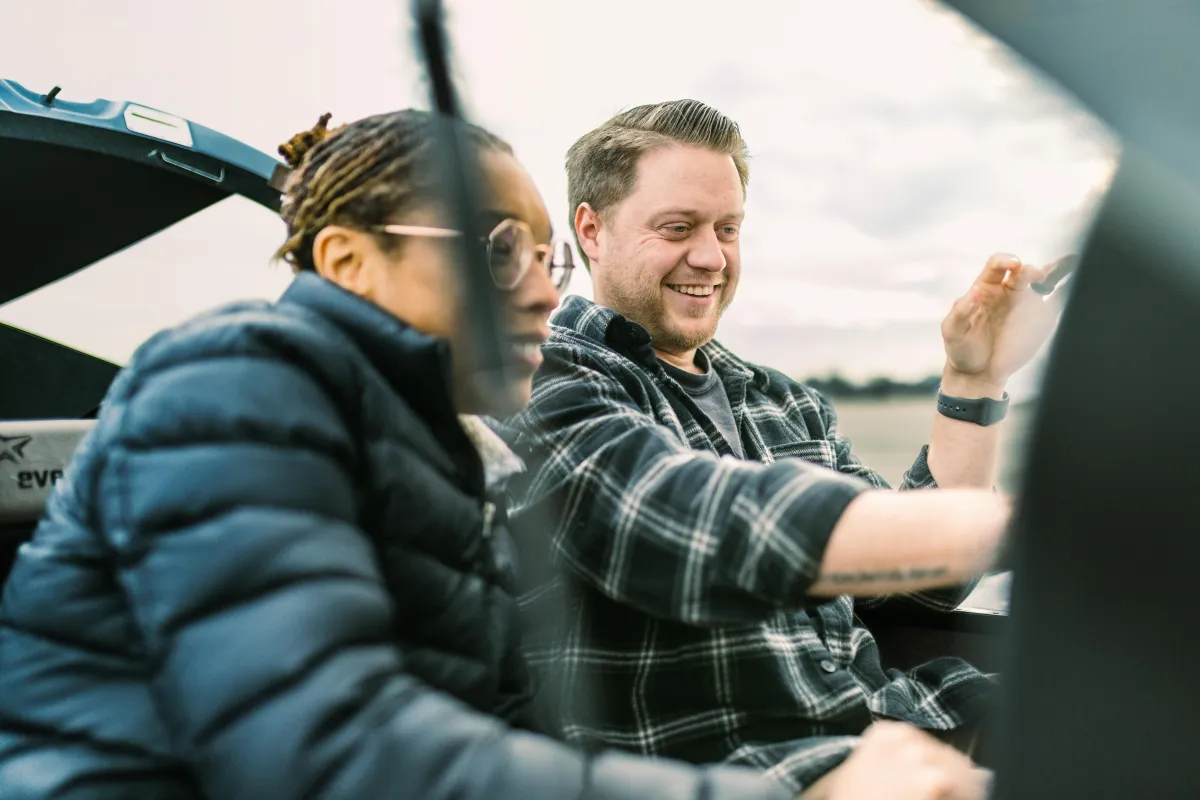
1-on-1 Training
Flexible Scheduling
45–60 Hour Average Completion
Let’s Answer What You’re Actually Wondering
No fluff. No vague answers. Just real insight from our Chief Pilot so you know exactly what to expect.
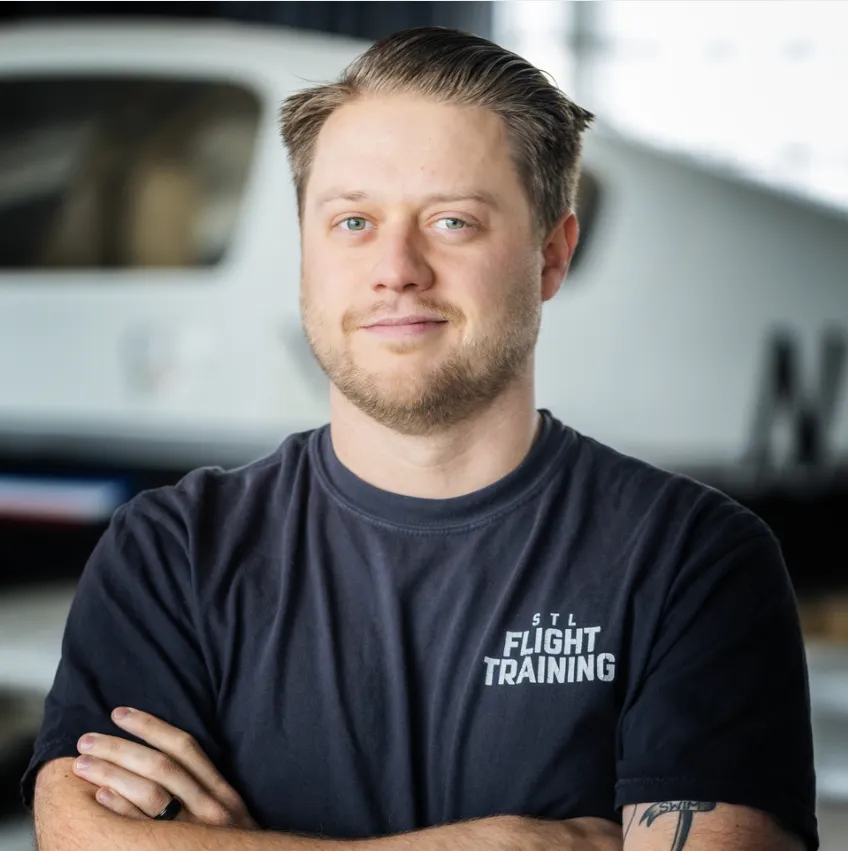
Josh Carroll
Chief Pilot
After a few years in the industry, I've been asked the same few questions multiple times from multiple people. Hopefully you're also asking some of these questions before you start flight training and if you aren't, now you know the types of questions to ask.
Training Experience
What does a typical lesson look like?
Completely dependent on the lesson being taught. Typically it's a 10-15 min pre-flight, followed by roughly an 1-1.5 hr flight. Followed up by a 15min debrief.
What should I expect after my first lesson?
Smiles and fun. Also a lot of studying. Flying is the fun part, ground school is what makes you a pilot though.
How often should I fly?
We see progress happen with roughly 2-3 flights a week. But we understand not everyone can commit that much time. So any flying is better than no flying.
What’s the ideal schedule?
In my eyes the perfect student schedule is monday, wednesday, friday. This gets you a flight every other day with a day to rest and process/study for the next lesson. With this model we see people move through their ratings fairly quickly.
What To Expect For Your First Lesson
Timeline & Progression
How long does it take to get a PPL?
This is sort of a trick question. Theres too many factors to really help us determine an easy timeline. Realistically we’re seeing anywhere from 4 months to a year. All dependent on training frequency and weather and maintenance delays.
When will I solo?
15-25 hrs
When do I start cross-country?
30hrs
When am I checkride ready?
50-60hrs
Most Students Don’t Quit Because It’s Hard.
They Quit Because They Stop Showing Up.
Student Challenges
What do students struggle with most?
Radio work. Not many people are comfortable talking on the radio.
When do students feel discouraged?
When they haven’t solo’ed yet or when they compare themselves to other pilots.
How do you push through plateaus?
Each student is different and requires a different approach to what they're dealing with.
What separates students who finish?
An FAA pilots license
WHAT TO DO WHEN TRAINING GETS HARD
Cost & Efficiency
How much should I expect to pay for flight training?
The cost of becoming a pilot depends on your goals, training pace, and how efficiently you progress through each stage. While every student’s journey is different, here is a realistic estimate of what you can expect:
- Private Pilot Certificate (40–50 hours)
Estimated Cost: $11,000–$14,000
Your first step is earning your Private Pilot Certificate, where you’ll learn the fundamentals of flying, aircraft operations, safety, and decision-making.
- Instrument Rating
Estimated Cost: $7,000–$9,000
This allows you to fly in a wider variety of weather conditions and prepares you for professional-level training.
- Commercial Pilot Certificate (250 total flight hours)
Estimated Cost: $22,000–$48,000
The commercial certificate is where the majority of the investment comes from because it requires building significant flight experience to reach the FAA-required 250 total hours.
- Multi-Engine Add-On
Estimated Cost: +$5,000
Adding multi-engine privileges expands your career opportunities and is commonly completed by pilots pursuing professional aviation careers.
Estimated Total: Zero Experience → Commercial Pilot with Multi-Engine - $45,000–$76,000
Many students continue their training to become flight instructors, which allows them to build experience while helping the next generation of pilots.
- CFI + CFII (Flight Instructor Ratings)
Additional Estimated Cost: $8,000–$11,000
Estimated Total: Zero Experience → CFII + Multi-Engine - $53,000–$87,000+
Keep in mind, these are estimates. Your final cost will depend on factors like how frequently you train, how quickly you retain information, aircraft availability, and how efficiently you build flight hours. Our goal is to provide transparent pricing and help you create a training plan that fits your goals, timeline, and budget.
Most professional pilots do not pay this entire amount upfront—training is completed step-by-step as you progress through each certificate and rating.
How do I keep costs down?
Frequency of training. This alone will help keep you pushing toward the end.
What mistakes waste money?
Not coming prepared for the lesson, not trusting your instructor. We know what it takes to get you there, you just gotta trust us and not the internet.
What’s the most efficient training strategy?
In my eyes the perfect student schedule is monday, wednesday, friday. This gets you a flight every other day with a day to rest and process/study for the next lesson. With this model we see people move through their ratings fairly quickly.
Ground School
When should I start?
Now. ASAP
How should I balance studying with flying?
They go hand in hand.
How do I prepare for the written?
Study Sportys and ask your instructor questions.
What habits help?
Set aside study times. Days off, an hour at a time, etc… just like school.
Instructors & Experience
How do I choose an instructor?
This is tricky, we try to make our instructor profiles a good representation of them but sometimes just being around them is what's really needed.
When should I switch instructors?
You’ll know pretty easily if you should switch. If you end up canceling flights because you don't want to be with your instructor. Or if no progress is happening.
What is the relationship like?
Professional and more like a mentorship. Eventually and after enough time together sometimes they become friends or enemies.
How do teaching styles vary?
Everyone is very different. Sometimes people get intimidated by flying with the chief pilot but then realise he's pretty cool .